
Pareto,
efficiency
and enthusiasm
“September, let’s go. It is time to migrate,” quoted D’Annunzio in his famous poem Alcyone. September: who knows why, for many of us, the arrival of September has always brought with it the need to pause, reflect, and take stock of the situation. Some choose to pay more attention to their diet, to “get back in line” after the summer by adopting healthier habits, some decide to dedicate themselves to a new activity—perhaps sports—some set themselves a few good resolutions, or some simply feel the need for a breath of fresh air.
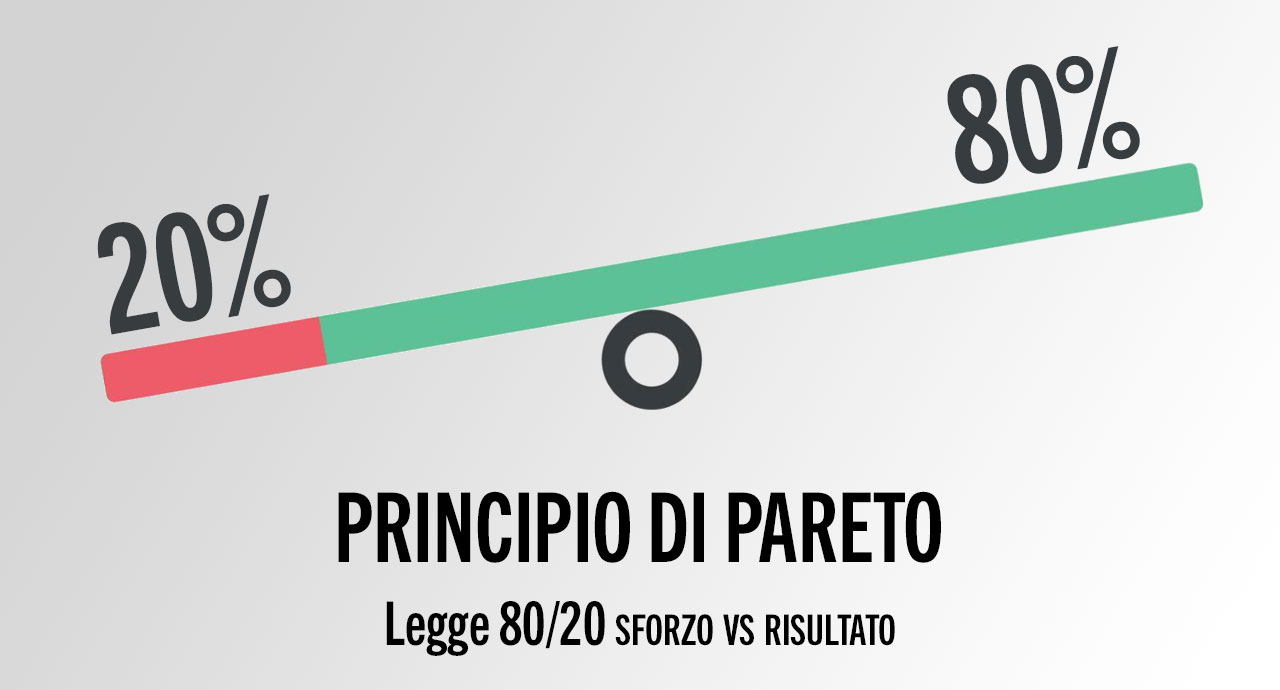
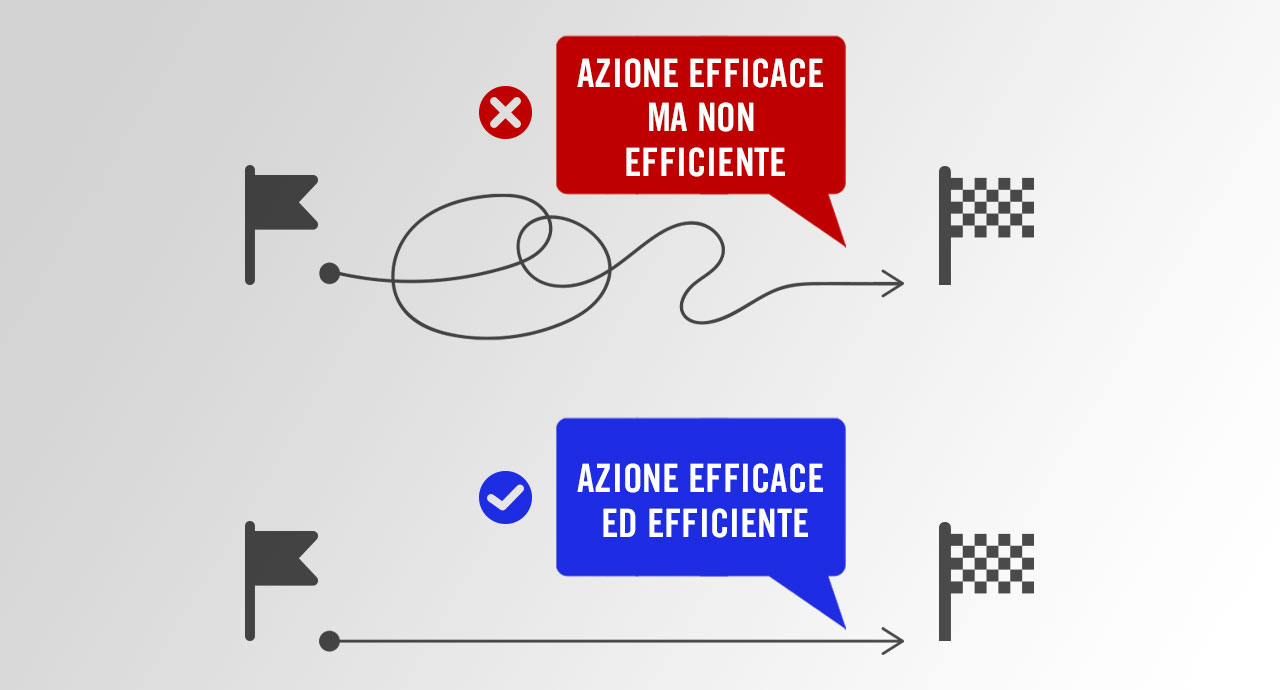
We had the pleasure of chatting with Sandra Ceccarelli, our CFO. Sandra confided that, during a short but regenerating summer break, she had the opportunity to approach some “numerical” reflections and thoughts. “I like numbers because they are democratic,” Sandra confides, “so, I returned to the Pareto Principle.” What does it tell us? The Pareto Principle, also known as the 80/20 rule, states that 20% of activities lead to 80% of the results. By crossing these concepts with those of business organization she had studied in the past, and by focusing on the goal of effective and efficient action, Sandra then explored the situation at CEPI. There is plenty of effectiveness; the goal is always achieved. Sometimes, however, the final result is reached effectively, but not always efficiently. To be clearer: our efforts are often very high, and this (to a greater or lesser extent) often generates fatigue. “We should definitely work on efficiency to improve this aspect. It is precisely on that 20% that we must focus: it is a precious piece of data, useful for determining where to concentrate one’s efforts to maximize performance.”
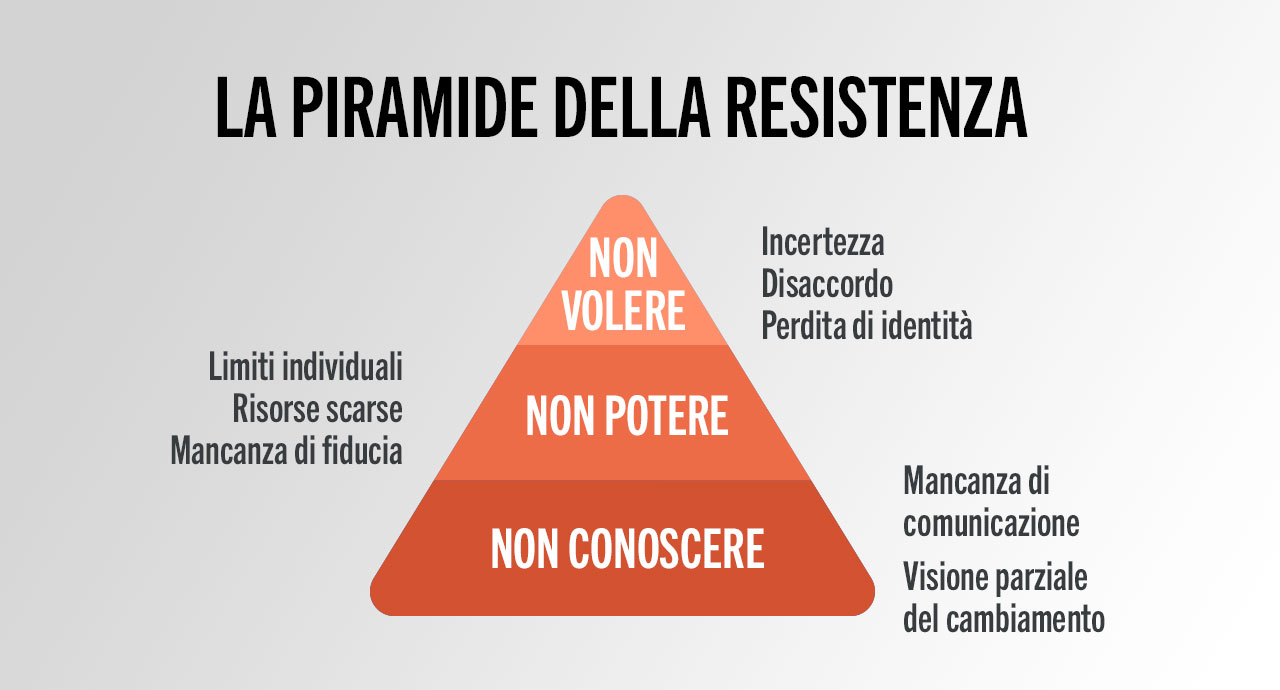
One of the goals that Sandra has set for future years is, therefore, the application of the Pareto Principle aimed at achieving action that is as efficient as it is effective. How can we do this? And what if the answer could be found, in part, in resistance to change?
“Each of us deals with our own problems, which are often cross-functional and stem from old habits we struggle to abandon. In this way, we place a limit on our own learning and trigger a real resistance—whether conscious or not—to change,” says Sandra. Even at CEPI, the departments that implement the rule of effective and efficient action suffer less and feel less fatigue. But this doesn’t just apply to professional life: the same rule applies to managing a home and family, for example, especially when it comes to balancing one’s private and professional spheres.
“In concrete terms,” Sandra tells us, “I believe my goal is achievable by applying a strategy supported by suitable tools.” When we ask her what she considers these tools to be, Sandra illustrates several solutions. First and foremost are 360° training courses—not just purely technical ones, but those focused on methods or tools that can help employees optimize how they work and get the most out of their efforts (a very current example is AI applied to the Microsoft Office suite). Next, Sandra mentions communication snippets and individual coaching, which can enrich the individual with the goal of creating an echo, a domino effect within CEPI. After all, positivity attracts positivity; the Law of Attraction confirms this. And, consequently, “enthusiasm, satisfaction, and productivity multiply,” she continues.
In her own way, within the administrative department she heads, this can already be felt. Administration is not an office dedicated solely to invoicing and payments, as one might mistakenly think, but a universe of diversified activities: legal, exports, customs, taxation, treasury, budgeting, and business plans. Teamwork is strongly supported and encouraged. Furthermore, in her daily work, Sandra has always dedicated herself to individual needs—a focus she has always maintained, partly due to her personal history. Sandra has, in fact, worked in various company departments, some very technical, given her involvement in management development and many small software tools created to support our work.
“From these experiences of mine comes a strong conviction that department heads should put themselves out there and show a willingness to update their skills, believing in change both when the team requests it and when it is necessary for an individual’s needs. A department head who shows resistance to change will never bring either effectiveness or efficiency to their office.” Sandra concludes: “I am strongly motivated by my belief that training can lead us toward efficient and effective progress. In reality, this is not just a thought, but an actual entity: at CEPI, a Training Committee has been established, and the Board of Directors has already approved a budget for a three-year training program that triples the training hours required by law.”
Sandra’s words resonate with positivity. This chat opens us up to a stimulating future, full of productivity and satisfaction. Believing in something keeps us alive: having a goal, or several, is the engine that drives the universe forward, after all. It goes without saying that setting a goal is not enough. We must roll up our sleeves and get started, because there is so much to do, to build, to improve, and to update. We must be curious. Each of us contributes our own part: it is tiring, and not always easy. But working together, with a contagious enthusiasm, is better. Let’s imagine ourselves in front of a mirror, let’s smile, and then let’s join our forces: the final result will be a success.