What are some innovations that you have implemented?
We have recently taken new steps aimed at protecting psychophysical health, and the psychological support service and group sporting activity have certainly been well received.
In the context of manual-material actions, I would like to mention the acquisition of new machinery that significantly reduces the risks associated with certain operations, such as the new folding machine and the self-propelled wrapper that automatically packs the pallets. These are important investments that I think show how much we value the safety of workers.
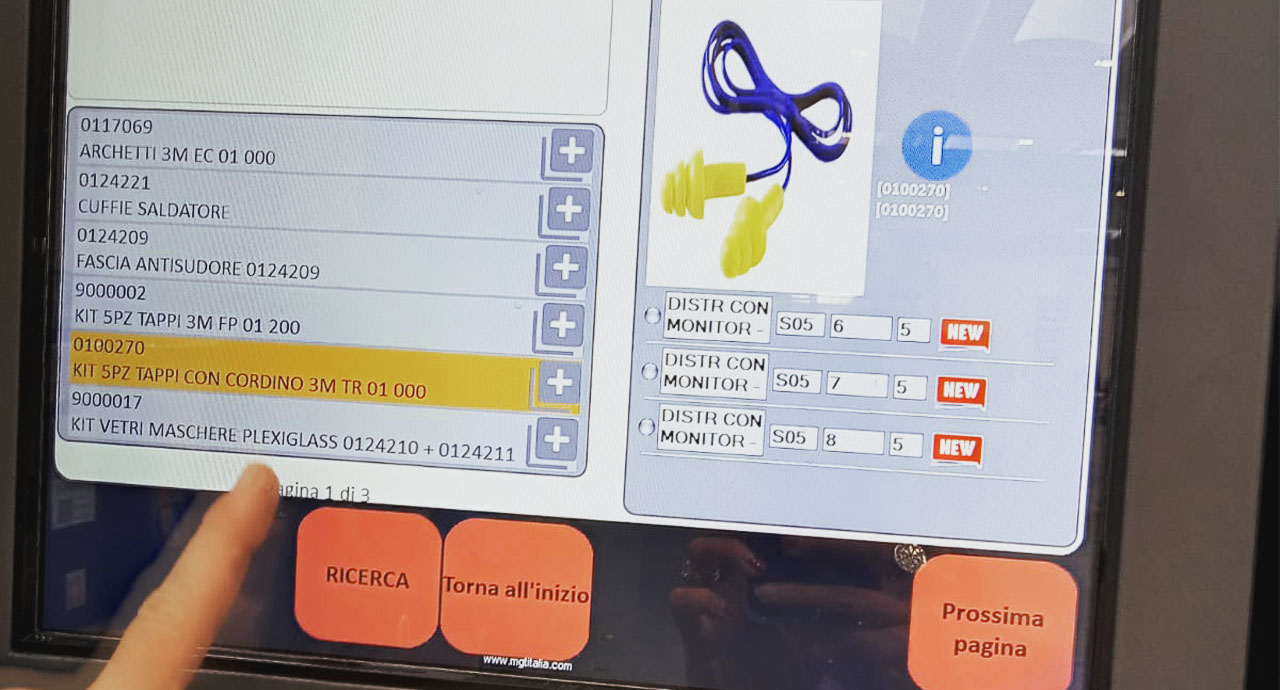
The PPE vending machine is another achievement I’m proud of, as are the safety videos dispensed on the monitors of the beverage dispensers.
I think the decision to expand the role of RSPP was very important in this sense. When I arrived at CEPI in 2019, I had many ideas but initially held a support position. I have been a full-time RSPP (i.e. Head of the Prevention and Protection Service) since last year, and it’s because of this new maneuvering space that I achieved the developments I was talking about. I was able to focus my energies on training and above all organization, the secret to an effective tool.
I myself feel that I have grown up a lot, and I am especially satisfied with having finalized projects. Certainly research and feedback collection are fundamental, as is the ability to have ideas, but the execution is crucial, and the way to do it is to activate a figure with the time, the autonomy and support needed.
What is the link between training and safety?
To work safely and in compliance with the regulations, constant awareness work is necessary. The foundation of safety is a deep awareness, which is not limited to the provision of knowledge but is achieved through the establishment of an authentic dialogue on the subject, which requires participation and feedback. For example, I’m always interested in knowing the opinion of the participants on the courses: how are the classrooms, if the teachers are professional and prepared, if the contents are dynamic and interesting in an engaging situation.
What can you tell us about professional training?
The two plans for safety training and professional development run in parallel. Since last year we have started doing some extra training drawing on Fondimpresa, selecting some strategic courses to increase the skills of the administrative, technical, quality and electrical departments. I hope over the years to be able to implement more and more of them, ranging from universal skills such as languages to specializing skills aimed at specific roles.
I believe that a cultured environment is an environment that tends to preserve itself. The growth of knowledge also increases the desire to participate and implement what has been learned: one’s work is experienced as more valued and is practiced not only by automatism, but with a concept.
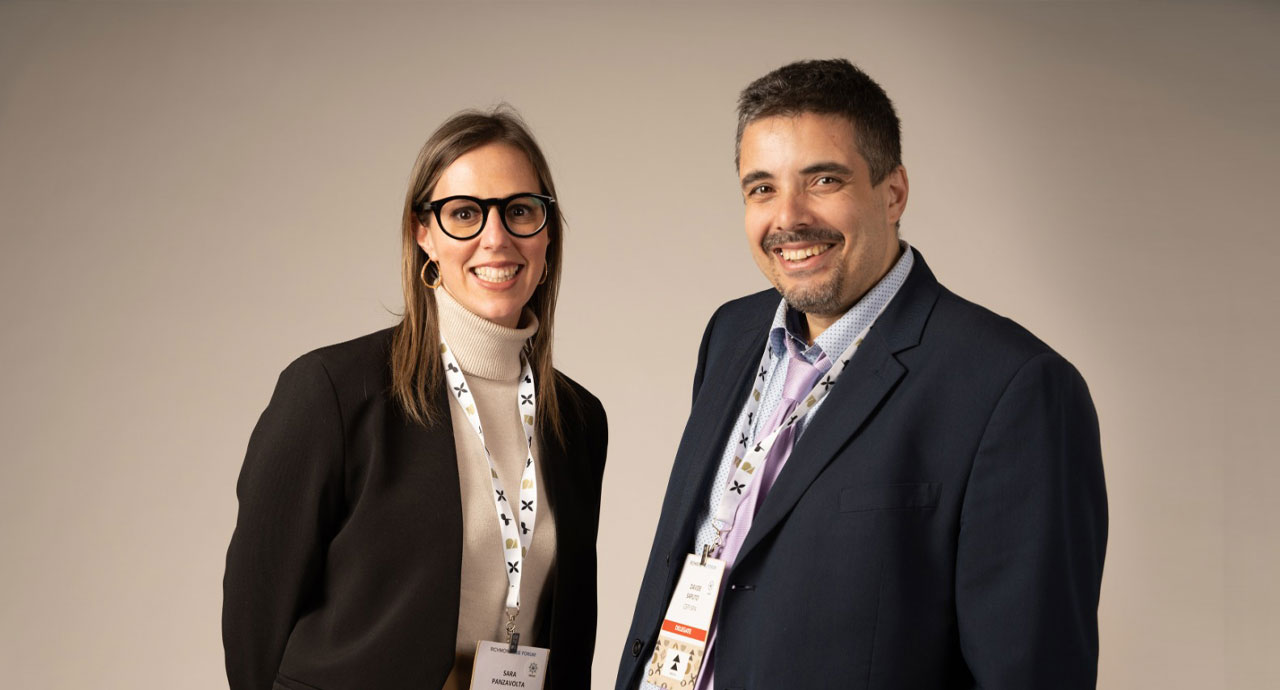
In March, you and Davide took part in a forum on HSE processes organized by Richmond in Rimini.
Yes, that was very interesting. It is an annual event attended by industry experts and HSE suppliers. It included many round tables, seminars and moments of exchange on safety processes within various companes, where we discussed how the many elements were managed and where new ideas emerged on how to improve. We really enjoyed participating as a team rather than a single unit.
There were many meetings with suppliers (of PPE, software systems and so on) and consultants on specific risks, or engineers who told us about the Machinery Directive. They told us about their product and we presented our specific case, in order to understand the most suitable solution.